

My 5 VIRTILITÉ Pillars for Lifelong Prostate Health
My 5 VIRTILITÉ Pillars for Lifelong Prostate Health
How nutrition, movement, circulation, recovery, and preventive care support your prostate, sexual vitality, and healthy aging.
Dear Warrior,
How much attention do you give your prostate?
Perhaps you've never thought about it until you started experiencing urinary problems, changes in your erections, or your doctor suggested a PSA test.
Yet this small gland, about the size of a walnut, plays an important role in your reproductive and sexual health.
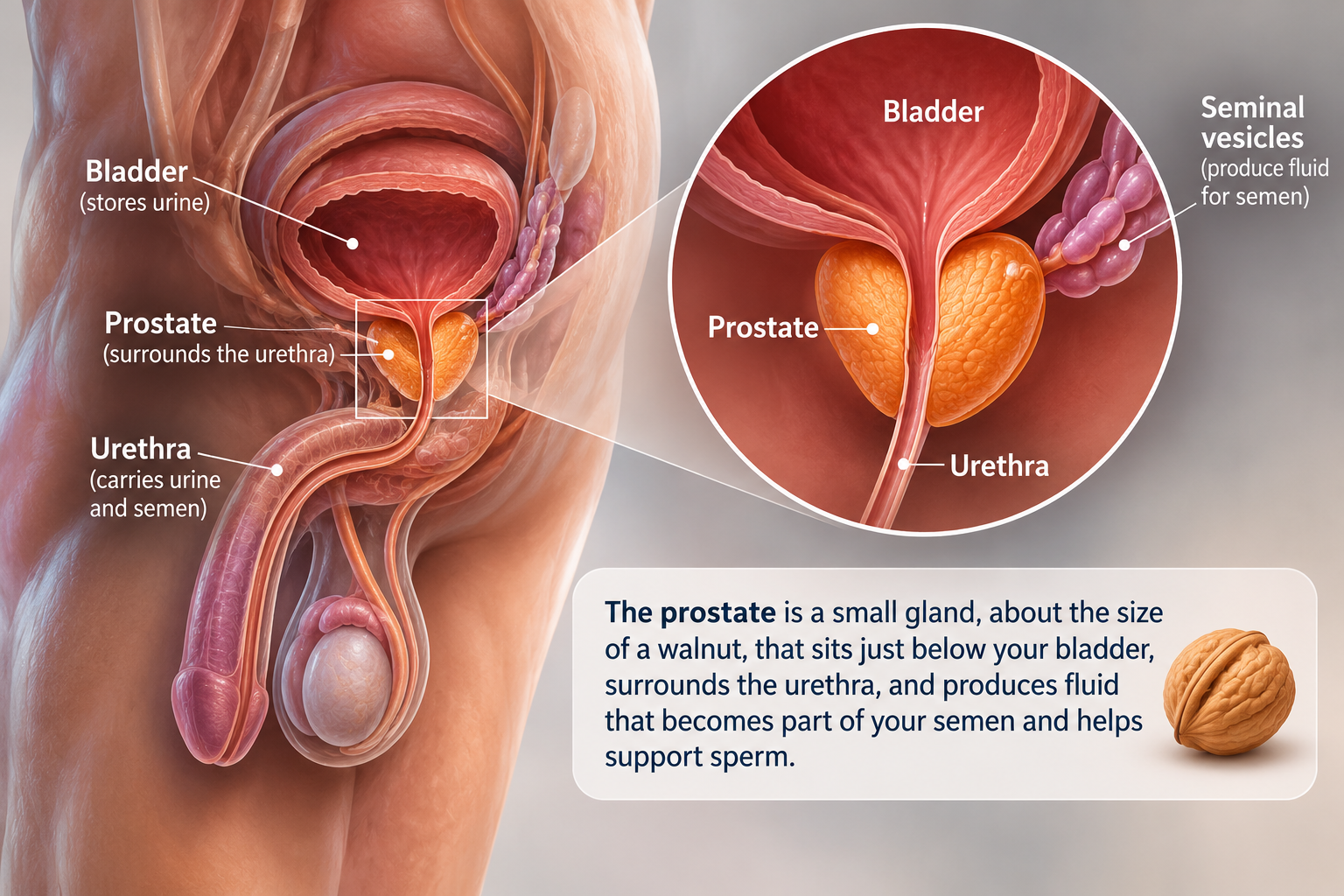
Your prostate sits just below your bladder, surrounding the urethra, the tube that carries urine out of your body. It produces fluid that becomes part of your semen and helps support sperm.
As you age, your prostate naturally changes. It may enlarge, become inflamed, or develop conditions that affect your comfort and quality of life.
But here's what I want you to understand:
Taking care of your prostate is part of taking care of your lifelong sexual vitality.
And the lifestyle habits that support prostate health also support your heart, blood vessels, metabolism, hormones, and erectile function.
In my VIRTILITÉ method to men's sexual health, I focus on five pillars of healthy aging.
These practices are not a guarantee against prostate cancer. There is currently no diet, supplement, or lifestyle protocol proven to prevent all prostate cancers.
But there is a great deal you can do to support your overall health and create the conditions for a vibrant, sexually fulfilling life.
1. Nourish Your Body With Anti-Inflammatory Nutrition
What you eat every day influences your metabolic health, blood vessels, weight, and the inflammatory processes in your body.
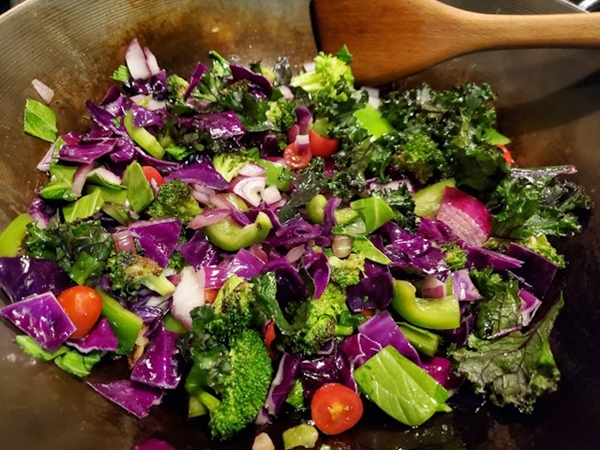
I encourage men to build their nutrition around a plant-based forward diet, rich in wholesome, minimally processed foods, and alive foods.
Foods I encourage you to eat regularly:
Tomatoes: Especially cooked tomatoes with olive oil. They're rich in lycopene, an antioxidant studied for its possible relationship with prostate health.
Cruciferous vegetables: Broccoli, cauliflower, cabbage, Brussels sprouts, and arugula provide fiber and beneficial plant compounds.
Berries and colorful vegetables: Rich in polyphenols and other nutrients that support overall health.
Fatty fish (if eating animal food): Wild-caught salmon, sardines, and mackerel provide omega-3 fatty acids that support cardiovascular health.
Extra-virgin olive oil, nuts, and seeds (ground flaxseeds are especially great for sexual health): Sources of unsaturated fats that can support a heart-healthy diet.
Beans, lentils, and whole grains (if tolerated): Excellent sources of fiber that support digestion and metabolic health.
At the same time, reduce your consumption of processed meats, sugar-sweetened drinks, alcohol, and highly processed foods.
One important clarification: although lycopene and several plant compounds have been studied for prostate cancer prevention, the evidence is not strong enough to claim that individual foods prevent prostate cancer.
Your action: Eat a large salad with leafy greens and cruciferous vegetables once a day, and add at least two different vegetables to your lunch and/or dinner, replace processed meats with fish or plant proteins more often, and make extra-virgin olive oil one of your main cooking fats.
Small choices, repeated daily, matter more than occasional perfection.

2. Move Every Day and Protect Your Circulation
Your sexual vitality depends heavily on the health of your cardiovascular system.
An erection requires healthy blood vessels, responsive nerves, and sufficient blood flow into the penis.
This is why I consider cardiovascular health one of the foundations of lifelong sexual vitality.
Regular physical activity helps improve circulation, blood pressure, insulin sensitivity, body composition, and physical endurance.
It also helps you preserve muscle mass as you age.
My recommendations:
Aim for at least 150 minutes of moderate-intensity aerobic activity each week, such as brisk walking, swimming, cycling, or dancing.
Include strength training at least twice a week.
Interrupt long periods of sitting with regular movement.
Include mobility exercises and stretching to maintain flexibility and comfort.
You don't need to become an athlete but you need to become a man who moves consistently.
I also encourage men to pay attention to their pelvic floor.
These muscles play a role in urinary control, ejaculation, and erectile function. Some men benefit from pelvic floor strengthening, while others with excessive tension or pelvic pain need relaxation and specialized pelvic floor physical therapy instead.
The Sound Self-Discovery Meditations (SSDM) library will guide you through several practices to build strength, relaxation and control in your pelvic floor. More squeezing is not always better.
While exercise supports vascular and metabolic health, improved circulation has not been proven to directly prevent prostate cancer. But not exercising, is not an option Warrior...
Your action: Walk briskly for 30 minutes on five days this week and schedule two strength-training sessions. Choose activities you genuinely enjoy so movement becomes part of your life. My favorite ways to move? Dancing, Spinning/Cycling, Swimming, Weight Training and Yoga. What about you?

3. Reduce Chronic Stress and Prioritize Recovery
Your nervous system plays an extraordinary role in your sexual health.
When you're constantly stressed, exhausted, anxious, or disconnected from your body, sexual desire and erectile function can suffer.
Chronic stress can also affect sleep, blood pressure, eating habits, and metabolic health.
This is why I teach men to develop a healthier relationship with their nervous system.
Breathwork, meditation, restorative movement, and intentional relaxation are practices I encourage.
Not because they magically prevent prostate disease, but because they support your ability to recover, regulate stress, and remain connected to your body.
My recommendations:
Aim for seven to nine hours of quality sleep each night.
Practice slow, relaxed breathing for five to ten minutes daily.
Make time for activities that bring pleasure, connection, and relaxation (You know what I mean Warrior!)
Address persistent stress rather than allowing it to become your normal state.
Seek professional support for chronic pelvic tension, pain, or urinary discomfort.
And yes, pleasure matters.
Sexual intimacy, affectionate touch, and time spent enjoying your body can be meaningful parts of a healthy life.
But I want to be clear: frequent ejaculation, prostate massage, and sexual activity have not been established as reliable methods of preventing prostate cancer by science.
I do however teach a morning ritual of testicles massage and penis stretches coming from 2,000 years of Daoist wisdom in my Rise & Shine Ritual which will help you feel more vital.
Your action: Create a ten-minute morning or evening ritual without your phone. Breathe, relax your body, and give yourself permission to slow down.
Your body needs recovery just as much as it needs stimulation.
4. Support Your Natural Elimination and Metabolic Health
You've probably heard promises about detoxifying your body or cleansing your prostate.
I want to make an important distinction.
Your body already has sophisticated systems for processing and eliminating waste, particularly your liver, kidneys, and digestive tract.
You don't need a special prostate detox.
What you can do is support the healthy functioning of these systems through everyday habits.
My recommendations:
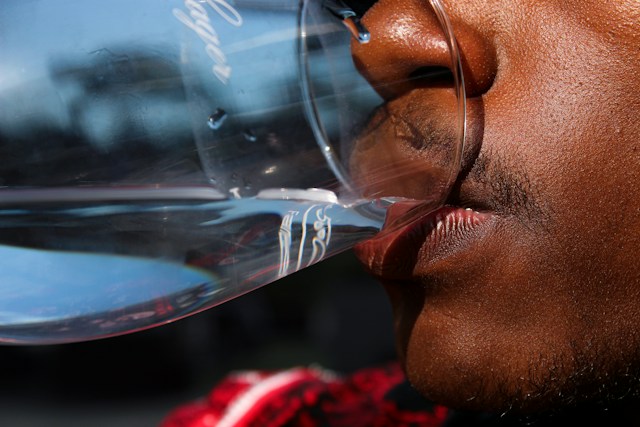
Drink enough water throughout the day, adjusting for your activity level and medical needs.
Eat fiber-rich foods to support regular bowel movements.
Limit alcohol and avoid smoking.
Maintain a healthy waist circumference and body composition.
Monitor blood pressure, blood glucose, and cholesterol with your healthcare provider.
Avoid unnecessary supplements or aggressive detox protocols.
Why do I care so much about metabolic health?
Because conditions such as diabetes, obesity, high blood pressure, and cardiovascular disease can affect erectile function and overall health.
Some research also links excess body weight with a greater risk of aggressive prostate cancer, although the relationship between obesity and prostate cancer is complex.
Supporting your metabolism is an investment in your health today and your quality of life decades from now.
Your action: Start with three habits: hydrate regularly, include fiber at each meal, and monitor your waist circumference along with your other health markers.
And don't overlook persistent constipation, urinary difficulties, or pelvic discomfort. These deserve attention rather than another detox product.

5. Know Your Prostate, Your Risk, and Your Numbers
This is perhaps the most important pillar of all.
You can eat beautifully, exercise every day, meditate, and have a satisfying sex life—and still develop prostate cancer.
A healthy lifestyle does not replace medical screening.
That's why I encourage every Warrior to understand his individual risk and make informed decisions about preventive care.
What you need to know:
Your family history of prostate and other related cancers.
When to discuss PSA screening with your physician.
Your PSA results and whether follow-up is recommended.
Changes in urination, pelvic comfort, or sexual function.
When to consult a urologist.
It's also important to understand that not every prostate problem is cancer.
Benign prostatic hyperplasia (BPH) is a noncancerous enlargement of the prostate that becomes increasingly common with age. It can cause frequent urination, a weak urinary stream, or difficulty emptying your bladder.
Prostatitis refers to inflammation of the prostate, sometimes associated with infection. It may cause pelvic discomfort, painful urination, or other symptoms.
Prostate cancer involves abnormal cell growth within the prostate and may develop without noticeable early symptoms.
These are different conditions requiring different approaches.
If you're experiencing changes in urination or sexual function, don't automatically assume it's just aging.
And don't assume it's cancer, either.
Get evaluated.
Your action: If you're approaching the recommended screening age, schedule a conversation with your healthcare provider. If you have urinary symptoms or a family history of prostate cancer, don't wait for your next routine physical to bring it up. Check my other blog on prostate cancer screening 2026 updates.
Your Prostate Vitality Checklist
Here are five simple commitments I invite you to make this week:
Eat colorful and cruciferous vegetables daily and prioritize whole, minimally processed foods.
Move your body every day and include strength training.
Prioritize sleep, relaxation, sex and nervous system recovery.
Support hydration, digestion, and healthy metabolic markers.
Know your prostate cancer risk and when to discuss PSA screening.
You don't have to change everything overnight.
Choose one habit and begin there.
A Final Word, Warrior
I want you to think about your sexual vitality as something you cultivate throughout your lifetime.
Not something you begin worrying about when your erections change, your libido declines, or a medical problem appears.
The habits you build today influence how you feel, move, love, and experience your body in the years ahead.
Your sexual vitality is not separate from your overall health. It is an expression of it.
And while no lifestyle can guarantee freedom from prostate disease, caring for your body gives you the opportunity to live with greater energy, confidence, pleasure, and connection.
Your best sexual years don't have to be behind you.
Take care of the body that makes them possible.
With love,
Emma
Certified Tantra, Holistic Sex & Relationship Coach, Health and Nutrition Coach, Personal Trainer & Yoga Teacher
Medical references
American Cancer Society, Prostate Cancer Causes, Risk Factors, and Prevention.
National Cancer Institute, Prostate Cancer Prevention.
American Urological Association, Early Detection of Prostate Cancer Guideline.
American Cancer Society, Guideline for Diet and Physical Activity for Cancer Prevention.
Educational information only. These lifestyle practices support general health and are not a substitute for prostate cancer screening, diagnosis, or treatment.


